Ground source vs air source: an honest comparison for UK homes
Neither technology is universally better. The right answer depends on the plot, the load profile and how long the client intends to own the building.
Efficiency across the season
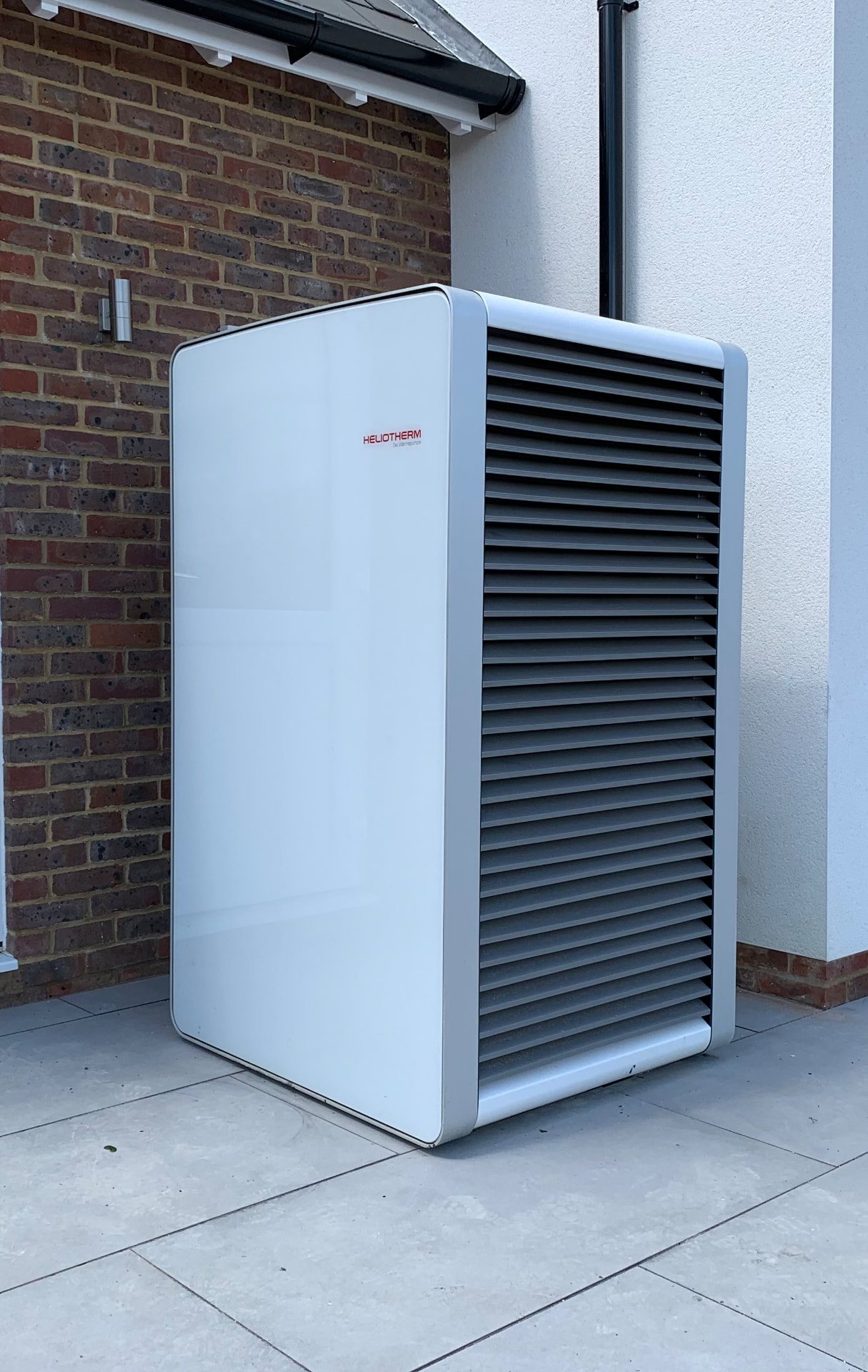
A ground array delivers a stable source temperature through winter, so a well-designed GSHP holds a seasonal performance factor around 4.0–4.8. An air source unit sees its worst source temperature exactly when the building needs the most heat, and typically lands between 3.0 and 3.8 on the same distribution system.
On a large residence with high winter demand, that gap compounds into a meaningful annual difference. On a well-insulated smaller home, it may never repay the ground works.
Ground works: boreholes or collectors
Vertical boreholes typically run 100–150 m deep, need machine access and a competent drilling contractor, and suit plots where land is scarce. Horizontal collectors are cheaper per kW but demand open ground that can be excavated and reinstated.
Either way, the array is sized against the annual energy extracted, not just the peak load — an undersized ground loop cools progressively over years.
Cooling changes the arithmetic
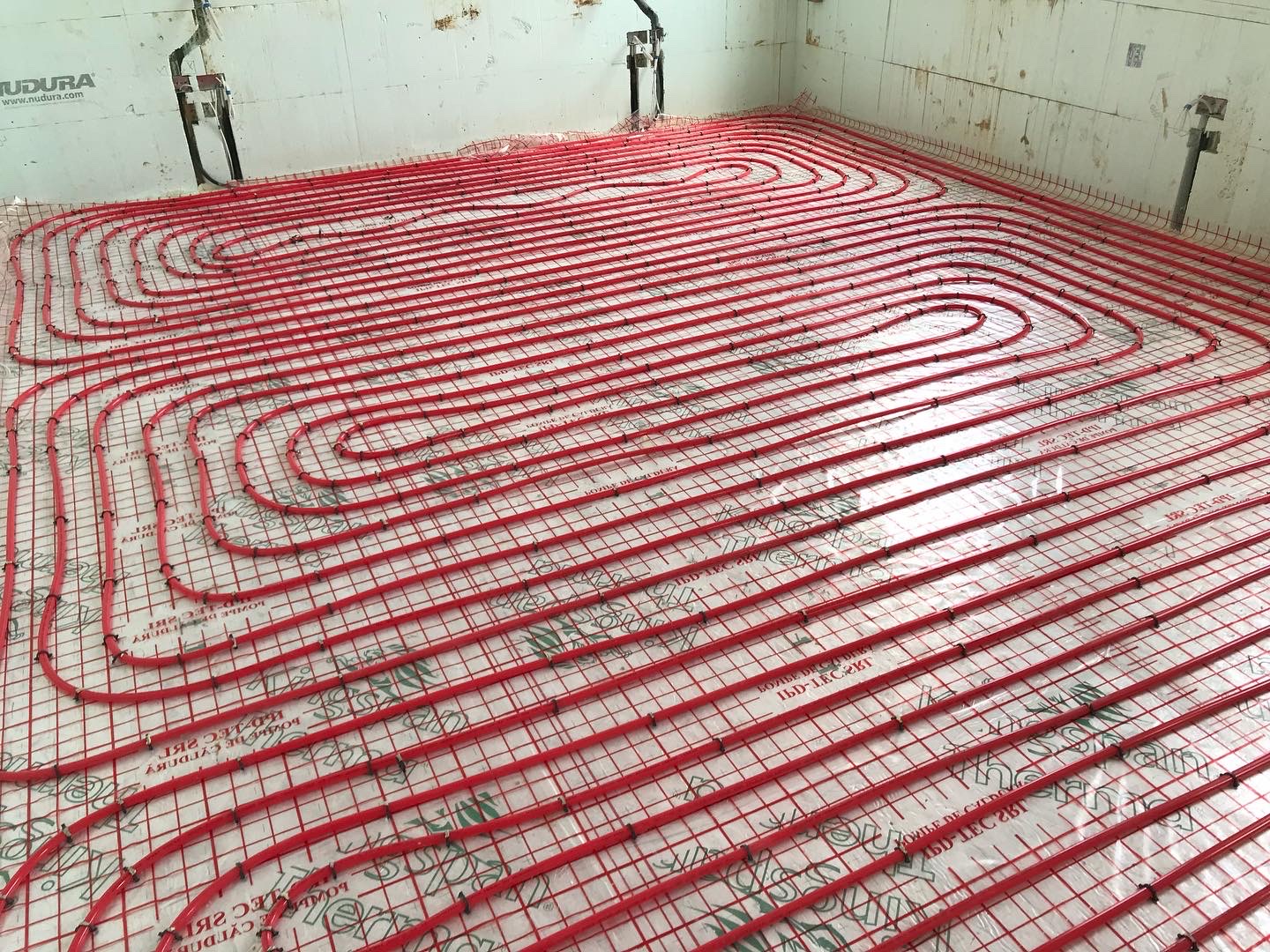
Passive cooling from a ground array circulates the loop through the underfloor or fan coil circuits with only a pump running. For clients who want summer comfort as well as winter heat, this is often the deciding argument, because achieving the same with air source means active reversible cooling and higher summer consumption.
How we advise
We model both options against the same heat loss and the same distribution design, present capital and 15-year running cost side by side, and let the client decide with the numbers in front of them.
Planning a system where these details matter?
Send us drawings or an outline brief and we will respond with a considered mechanical strategy for your project.
Start an enquiry →